
How Public Lands Have Shaped Tahoe
February 10, 2026 | Member Submitted
Originally published in the TRPA ENews
The Tahoe Basin is uniquely defined by its public lands. Woven among our communities are protected open spaces where residents and visitors ride bikes, walk dogs, launch paddleboards, ski powder, and find peace.
At the same time, those undeveloped areas protect Tahoe’s water from urban runoff pollution, safeguard sensitive ecosystems and wildlife, and enable active forest management.
This harmony between the natural and human environments is what gives Tahoe its distinct sense of place—a result of a rare and powerful conservation model made possible through decades of collaboration among federal, state, Tribal, and local partners. And now, that partnership is focused on addressing growing pressure on public lands to safeguard Tahoe’s future.
Here’s a look at the enduring legacy of the Santini-Burton Act and Team Tahoe’s push for modernization.
From Protected Land to Managed for the Future
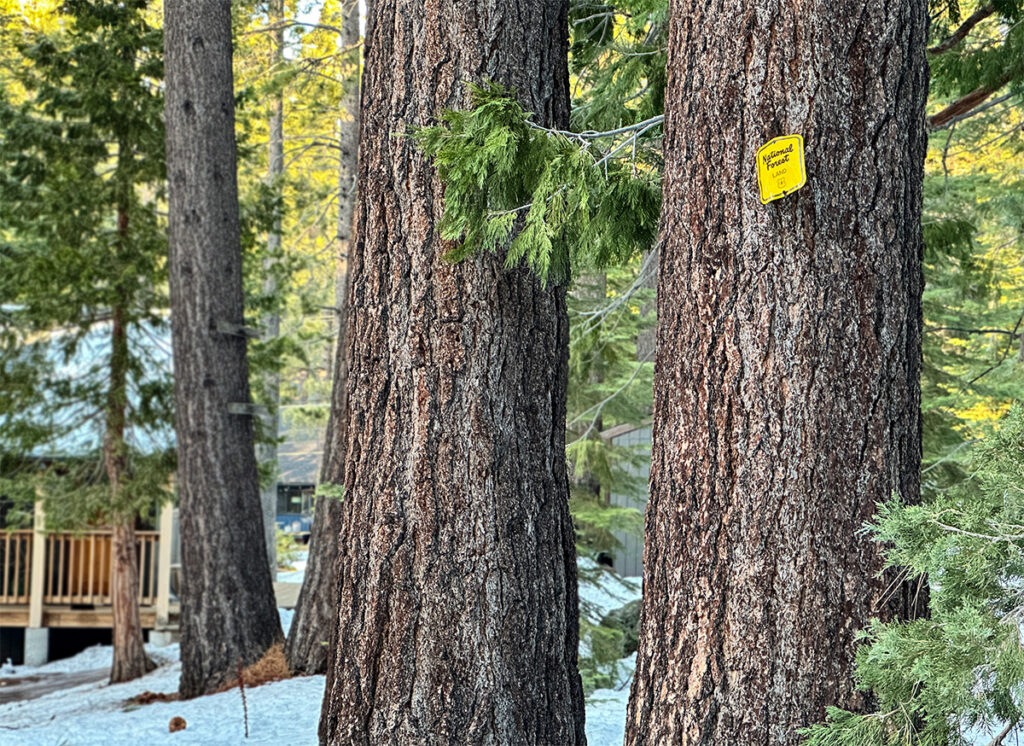
Originally passed in 1980, the Santini-Burton Act laid the groundwork for environmental protection in the Lake Tahoe Basin, authorizing federal funding to acquire and manage environmentally sensitive lands to prevent development and protect lake health.
Through the Act, the USDA Forest Service has acquired more than 16,000 acres of land in the Tahoe Basin, accounting for nearly 10 percent of the 156,000 acres of National Forest land in the Tahoe watershed. Similar programs established by the states of California and Nevada further protected and preserved sensitive land purchased from willing landowners.
Why modernization matters now
While the Santini-Burton Act was transformative, changes in the 2000s inadvertently limited the law’s scope so funds could only be used to acquire land, but not to manage them. Today, Tahoe’s most urgent needs have moved beyond acquisition and focus on stewardship of public lands.
If enacted, modernization would unlock funds for ongoing management, allowing the Tahoe Basin to complete more lake-saving Environmental Improvement Program (EIP) projects to protect Tahoe’s famed clarity, improve recreation sites, manage forests to reduce wildfire risk, and expand the presence of the Washoe Tribe of Nevada and California. Importantly, the modernization act would come at no new cost to taxpayers.
Honoring the Washoe Tribe
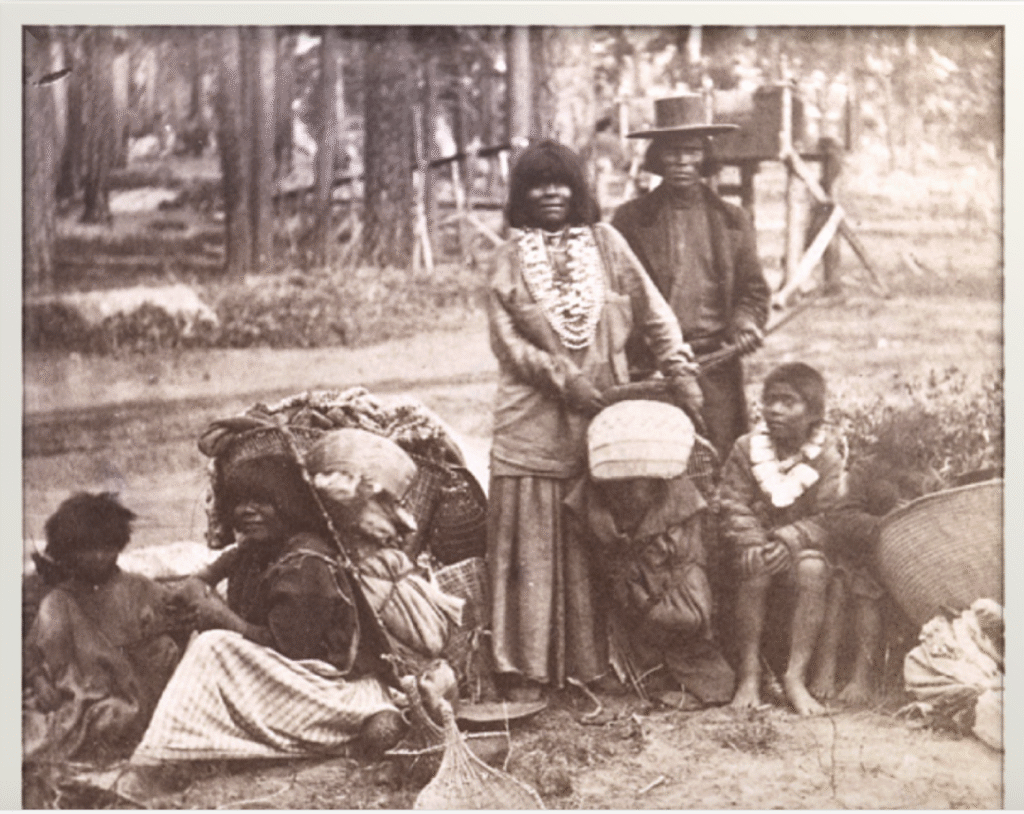
For thousands of years, the wá•šiw (Washoe People) have been deeply connected to Da ow a ga (Lake Tahoe), caring for the land and waters long before modern governance.
The modernized bill enables the Washoe Tribe of Nevada and California to take a meaningful step toward advancing traditional knowledge for forest health management and restoring Tribal stewardship in their ancestral and current homeland.
Photos by: TRPA