FREQUENTLY ASKED QUESTIONS (FAQ)
1. Why is this recovery taking place eight months after the sinking?
While the incident occurred on July 4, 2025, and initial Phase I ROV (remotely operated vehicle) surveys were completed in October 2025, the timeline for active recovery was extended due to the time required to finalize salvage agreements.
The barge owner, Tahoe Marine and Excavation, was responsible for executing these agreements. Recovery operations could not proceed safely or legally until those contractual matters were resolved. With those agreements now in place, the project can move forward.
2. Why was there a lack of information provided to the public?
Public communication following the incident was necessarily limited due to legal constraints – including threatened litigation by the barge owner – and the complexity of coordinating multiple parties involved in the response and recovery efforts.
Incline Fireworks is a volunteer-run organization, and throughout this process, the Board relied on guidance and direction from legal counsel, insurance representatives, and other subject matter experts. While there was a strong desire to provide more frequent and detailed updates to the community, communications were constrained to ensure process integrity and avoid inadvertently impacting recovery efforts or ongoing claims.
As these constraints have eased, Incline Fireworks has worked to share timely and accurate information. The organization remains committed to transparency and has made every effort to keep the community informed within the boundaries of what could responsibly be communicated.
3. What exactly is being removed from Lake Tahoe?
The recovery effort is comprehensive and includes:
Fireworks: 54 remaining fireworks shells, approximately 4% of the original 1,270-shell inventory. [Read more]
Structural Debris: Large steel plates that settled on the lakebed after separating from the vessel.
The Vessel: Three individual pontoons from the six-pontoon barge structure.
General Debris: Any associated materials identified during the final lakebed cleanup.
All materials are handled, transported, and disposed of in accordance with applicable safety and environmental regulations.
4. Who is performing the work?
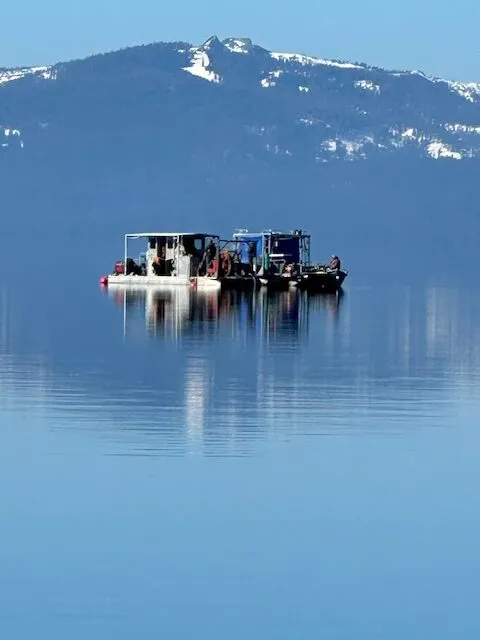
The recovery operation is being carried out by a team of specialized contractors with expertise in marine salvage and explosive handling:
Parker Diving Service is leading the underwater salvage operations.
Lantis Fireworks, Inc. is providing ATF-certified professionals to manage the safe handling, recovery, and transport of fireworks materials with oversight from North Lake Tahoe Fire Protection District.
Marine and heavy equipment subcontractors are supporting surface operations, lifting, and logistics.
5. Why does the beach need to be closed if the work is underwater?
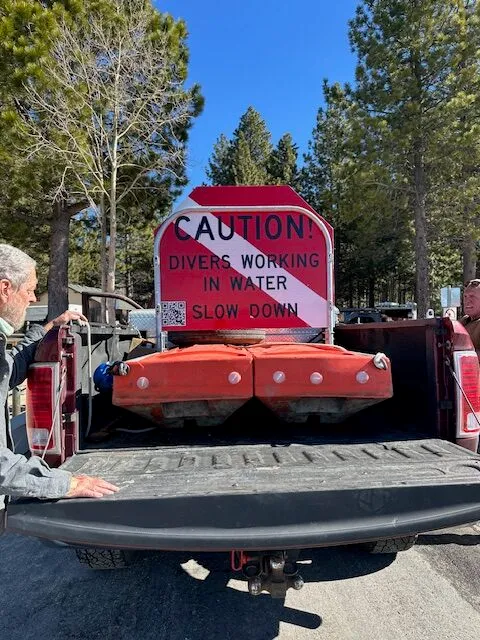
The beach closure is a necessary safety measure due to the nature of the surface operations supporting the underwater work.
This includes using heavy marine equipment, dive vessels, cranes, and the controlled handling and transport of explosive materials. These activities require a secure and controlled environment to protect both workers and the public.
Unauthorized access to the area – whether by boat, paddlecraft, or from shore – could create serious safety risks and disrupt operations. The temporary closure ensures that the work can proceed efficiently and without incident.
6. What makes this dive so “technical”?
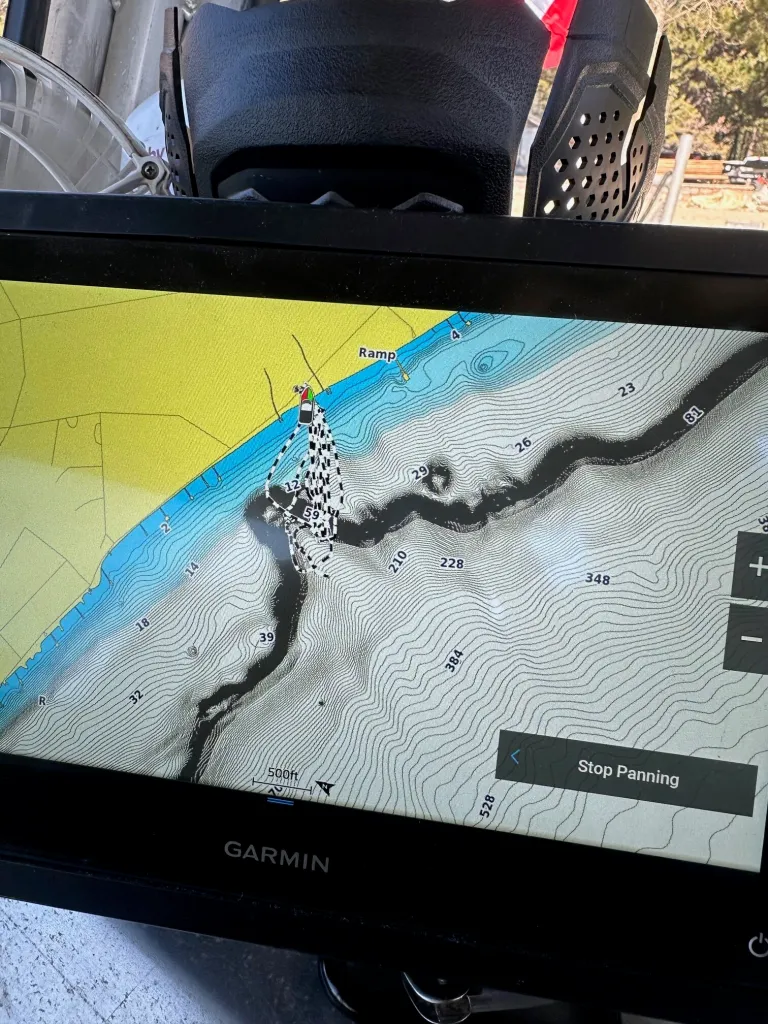
The debris field is located at a depth of approximately 140 feet. However, due to Lake Tahoe’s high elevation, reduced atmospheric pressure increases the physiological impact on divers, creating an “effective depth” of approximately 190 feet at sea level.
This significantly elevates the complexity of the operation. Divers must follow advanced decompression protocols, utilize specialized gas mixtures, and operate with strict bottom-time limitations. A fully equipped hyperbaric chamber is required onsite to manage decompression safety and mitigate risks such as decompression sickness.
In addition, cold water temperatures, limited visibility, and the need to safely handle explosive materials further increase the technical demands of this recovery effort.
7. Who is paying for the cleanup?
Incline Fireworks funded the immediate response and cleanup efforts following the July 4th incident. This included:
Collaboration with IVGID on beach cleanup operations, including the use of Eco-Clean’s BEBOT to restore shoreline conditions.
Support for IVGID’s Public Works response, including heavy equipment and staffing to remove displaced debris and timbers from the barge. IVGID has submitted an invoice for these services.
Engagement of Dive Robotix for initial underwater recovery, including divers, support crews, and specialized equipment.
Connolly Crane Service to remove three barge pontoons from Ski Beach for transport.
Lakeside Specialized Transportation to return the three recovered barges to their owner, Tahoe Marine and Excavation in Tahoe City.
High Sierra Marine, which provided marine support services including vessel coordination, on-water logistics, and operational support during recovery efforts. High Sierra Marine has submitted an invoice for these services.
Lantis Fireworks personnel and resources to safely recover, categorize, and transport fireworks in compliance with U.S. Department of Transportation (DOT) regulations, in coordination with the North Lake Tahoe Fire Protection District and Washoe County Sheriff’s Office.
In total, approximately 95% of the fireworks were recovered immediately, with an additional 1% recovered in the days following the incident. Incline Fireworks also absorbed the cost of unrecovered fireworks materials.
Ongoing recovery and salvage operations are being managed through the applicable insurance coverage. [Read more]
8. Can you remove 100% of the items related to the incident?
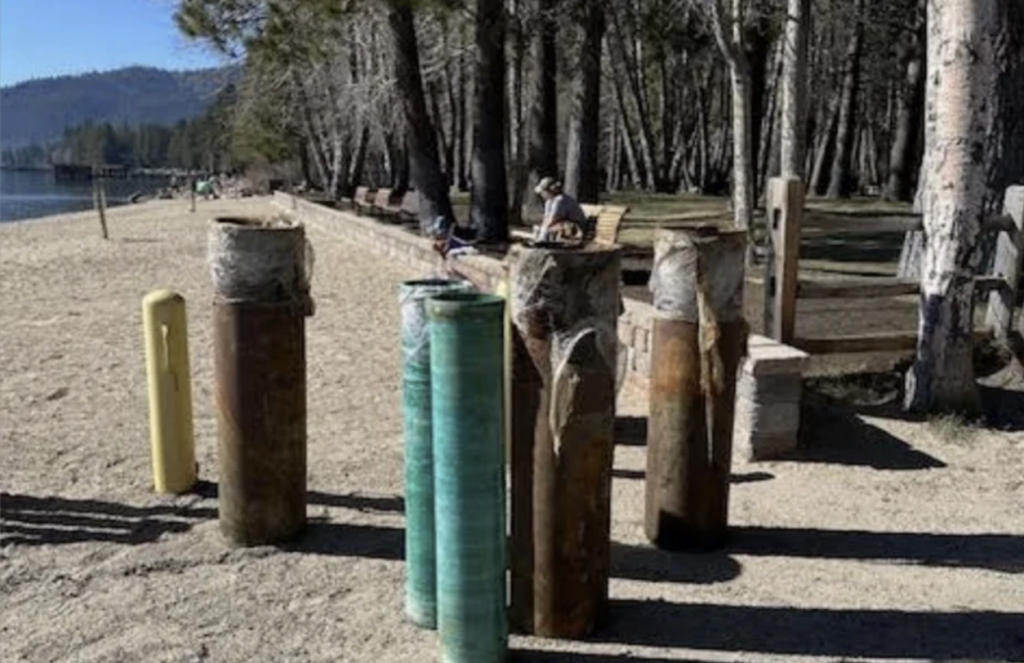
Initial beach cleanup efforts were completed to a high standard, allowing Incline and Ski Beaches to reopen on July 6, 2025.
Approximately 96% of fireworks materials were removed from the lake within the first week following the incident. Since underwater recovery operations resumed in March 2026, additional materials – including many of the remaining shells – have been successfully recovered.
While the goal is always full recovery, it is important to acknowledge that underwater salvage operations – particularly at this depth and in these conditions – do not always guarantee 100% retrieval. Incline Fireworks is actively working to ensure that the three barge pontoons from the original structure involved in the 2025 incident are removed as part of this operation.
Regarding water quality, IVGID has collected water samples throughout this investigation and continues to do so to ensure safe drinking water levels. [Read more]
9. Are there any fines being imposed for the items in the lake?
At this time, Incline Fireworks has not incurred any fines related to the incident. A spill report was filed with the Nevada Department of Environmental Protection within two days, in accordance with regulatory requirements.
The barge owner is working in coordination with the Tahoe Regional Planning Agency (TRPA). Any determinations regarding penalties or enforcement actions would be made by the appropriate regulatory agencies upon completion of their review.
10. Who manages the perimeter around the work zone?
Aspen Insurance, the carrier responsible for this claim, manages the operational perimeter and safety protocols for the active recovery zone, along with the contractors Aspen Insurance engaged to perform the work.
These teams are responsible for establishing exclusion zones, coordinating marine traffic safety, and ensuring all operations comply with safety and regulatory requirements, in coordination with the Tahoe Regional Planning Agency (TRPA) and the U.S. Coast Guard.
Because this aspect of the operation is managed externally, Incline Fireworks does not have direct oversight of perimeter enforcement details.
11. Will the findings of the investigation be shared?
Yes. Incline Fireworks expects that a comprehensive report will be available once the investigation is complete.
At this time, the investigation remains active, and there are limitations on what can be shared publicly. This is standard practice to preserve the integrity of the investigative process and ensure accurate, fact-based conclusions.
Once finalized, the findings will provide greater clarity on the sequence of events, contributing factors, and any recommended changes moving forward.